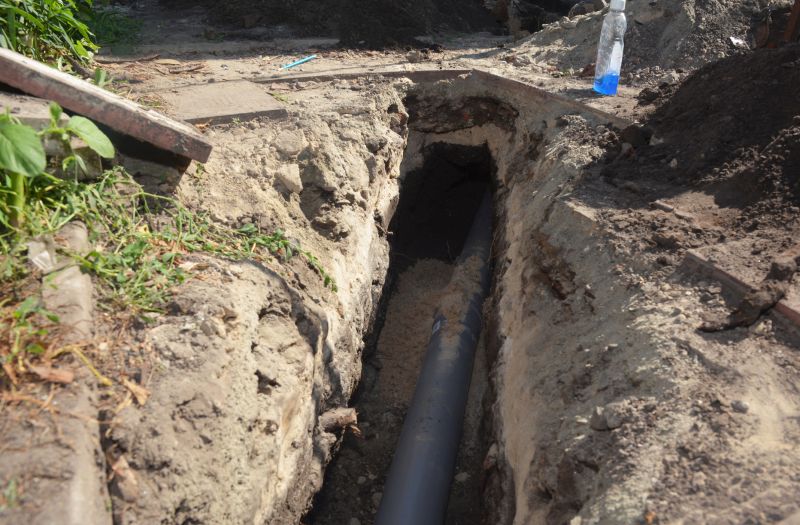
Trench Installation in Houston, TX
Trench installation services involve excavating narrow, deep channels into the ground to facilitate the installation or repair of underground utilities, drainage systems, or irrigation lines. These projects typically include laying pipes, cables, or conduits beneath the surface to ensure proper functionality and safety. Property owners considering trenching should understand the scope of their project, including the depth and length of the trench needed, as well as any potential impacts on landscaping or existing structures. Proper planning and understanding of local regulations can help ensure the trenching process proceeds smoothly and meets all necessary requirements.
Before requesting trench installation, homeowners often want to know about the preparation involved, such as clearing the area and any necessary permits. It's also helpful to consider the impact on the property, including potential disruptions to landscaping or existing features, and to discuss the best methods for minimizing these effects. Clarifying the purpose of the trench, the materials to be installed, and the desired timeline can assist property owners in making informed decisions and ensuring the project aligns with their property’s needs.
Many property owners in Houston, TX look into Trench Installation for repairs, replacements, upgrades, and appearance-related improvements.
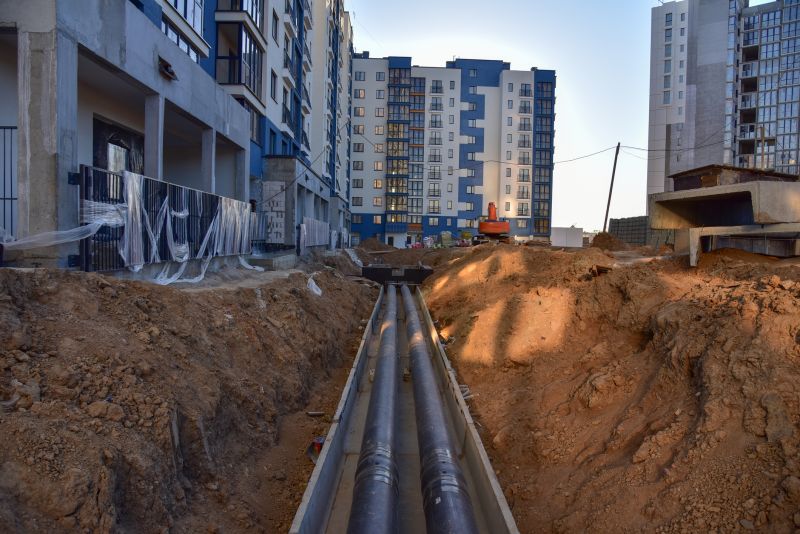
Foundation Support
Trenches provide essential support for foundation repairs and stabilization in houston properties.
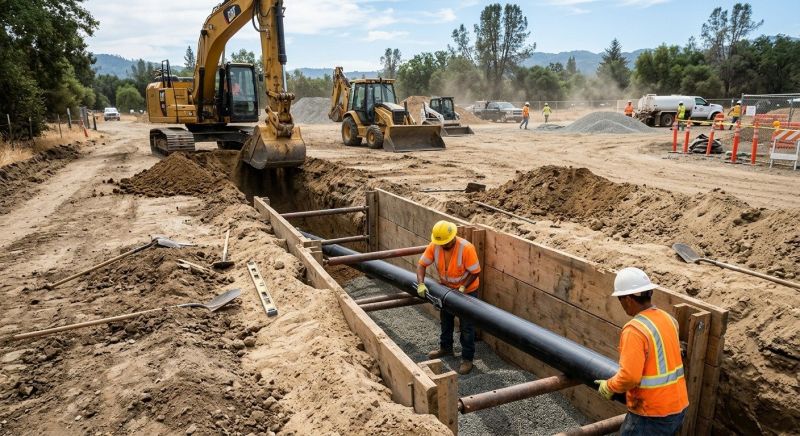
Utility Installation
Proper trenching ensures safe and efficient installation of underground utilities like water, sewer, and electrical lines.
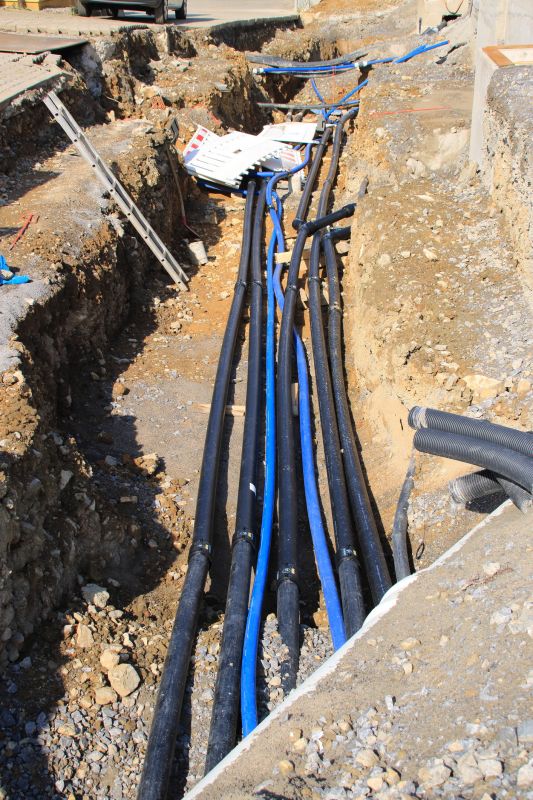
Landscaping And Drainage
Trench work can improve drainage systems and create defined spaces for landscaping projects in houston yards.
Trench Installation in Houston, TX
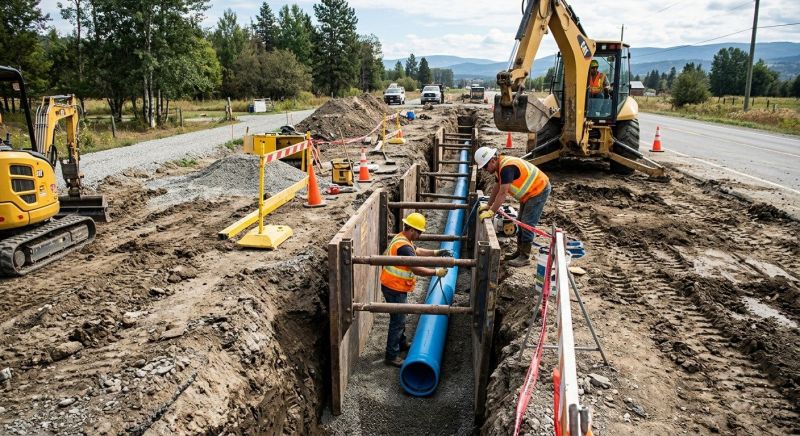
Trench installation services involve excavating narrow, deep channels into the ground to facilitate the installation or repair of underground utilities, drainage systems, or irrigation lines. These projects typically include laying pipes, cables, or conduits beneath the surface to ensure proper functionality and safety. Property owners considering trenching should understand the scope of their project, including the depth and length of the trench needed, as well as any potential impacts on landscaping or existing structures. Proper planning and understanding of local regulations can help ensure the trenching process proceeds smoothly and meets all necessary requirements.
Before requesting trench installation, homeowners often want to know about the preparation involved, such as clearing the area and any necessary permits. It's also helpful to consider the impact on the property, including potential disruptions to landscaping or existing features, and to discuss the best methods for minimizing these effects. Clarifying the purpose of the trench, the materials to be installed, and the desired timeline can assist property owners in making informed decisions and ensuring the project aligns with their property’s needs.
Many property owners in Houston, TX look into Trench Installation for repairs, replacements, upgrades, and appearance-related improvements.
Common Trench Installation Jobs
Trench Installation - Provides a secure and stable foundation for underground utilities and drainage systems.
Drainage Trench - Helps redirect water away from foundations to prevent flooding and soil erosion.
Utility Trench - Facilitates safe and organized installation of electrical, gas, or water lines.
French Drain - Manages excess groundwater and reduces surface water pooling around the property.
Foundation Trench - Supports the construction of new foundations or retaining walls for added stability.
Landscape Trench - Allows for the installation of irrigation systems or decorative features in yards.
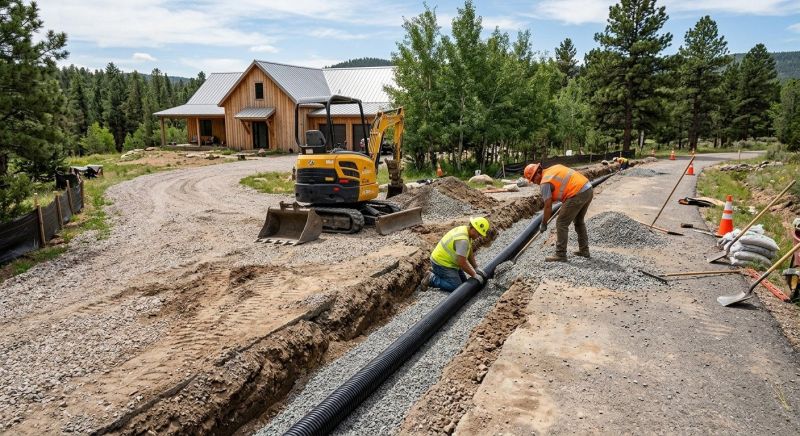
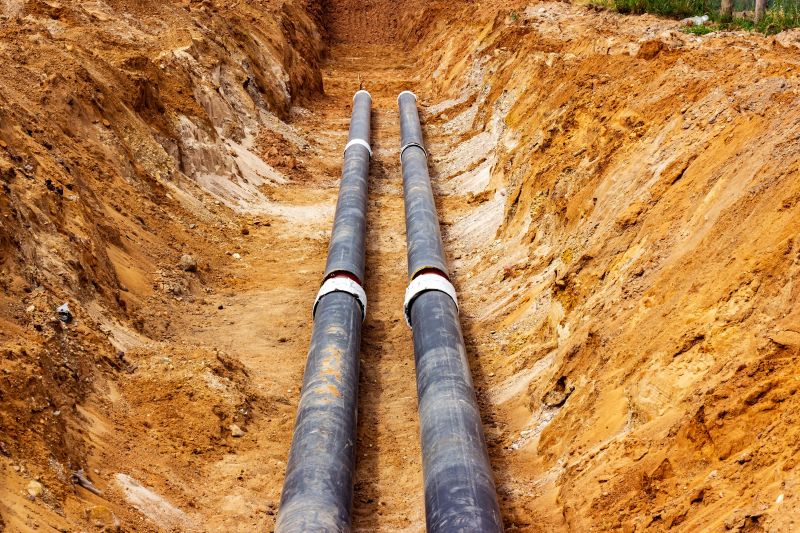
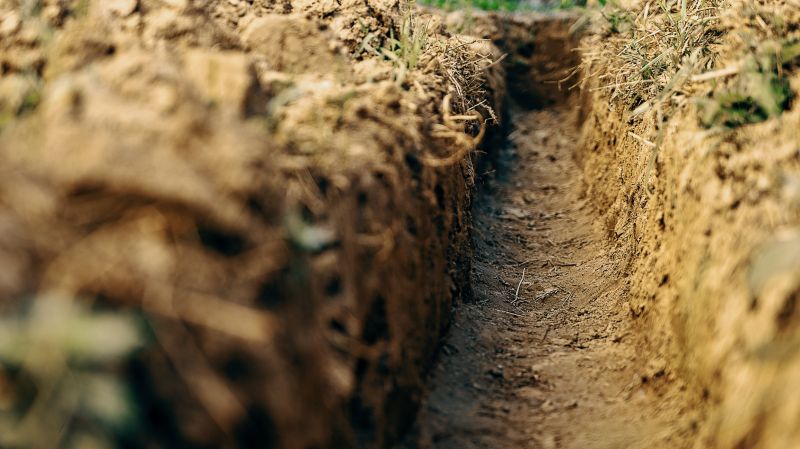
Trench Installation Questions
What types of projects typically require trench installation? Trench installation is often needed for underground utility lines, drainage systems, irrigation, and landscaping projects on residential or commercial properties.
How deep should trenches be for different applications? Depth varies based on the purpose, such as utility lines or drainage, with common depths ranging from a few inches to several feet, depending on local codes and project requirements.
What materials are used for trench backfilling? Backfill materials typically include soil, gravel, or sand, selected based on the project’s needs and soil stability considerations.
Are there any property considerations before trench installation? It's important to check for existing underground utilities, property boundaries, and drainage patterns to ensure proper planning and avoid disruptions.
Request Trench Installation in Houston, TX
Use the quote form on this page to share the basics of your project and request more information for the type of work you need.